Resource Library
Review our technical brochures, processing guides and troubleshooting resources.
All Documents
Antiblock
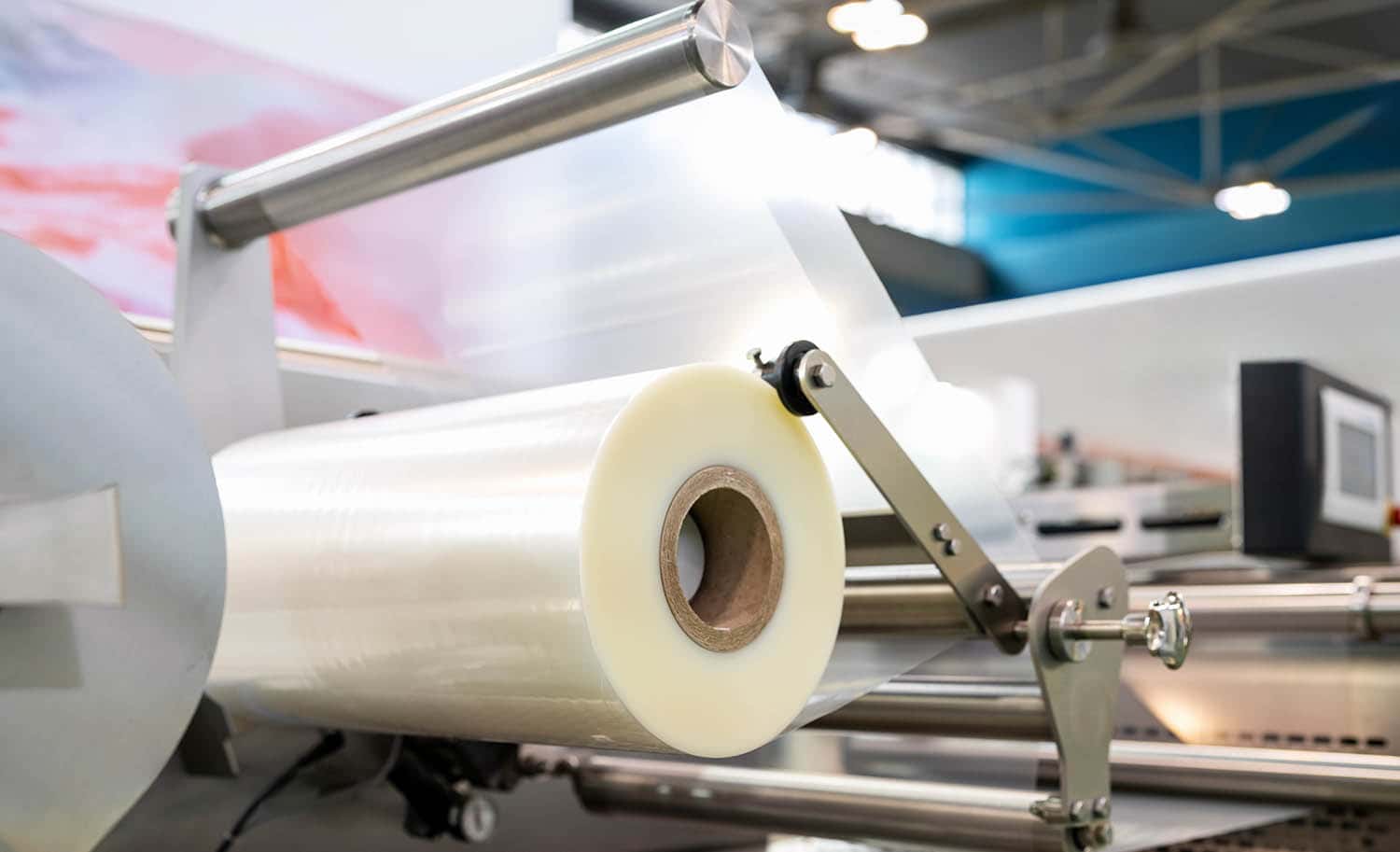
Blocking is used to describe the adhesion between adjacent layers of films due to the presence of Van der Waal’s interactions, specifically between the amorphous regions of the polymer. This phenomenon occurs between film layers and in extreme cases between films and converting equipment. Learn more about antiblock masterbatch and how it can help solve your blocking problems.
Antifog
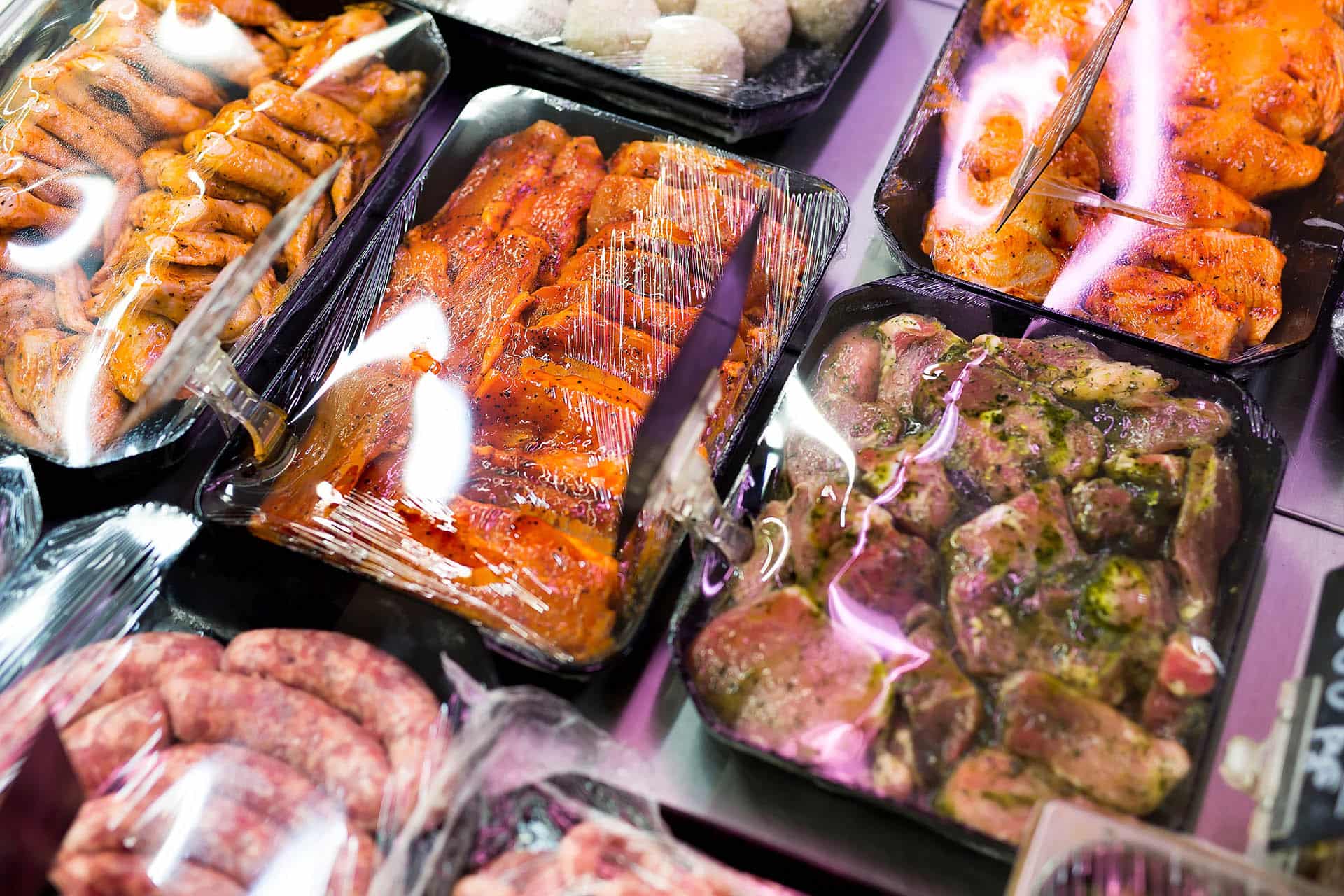
Fogging of flexible packaging reduces the visibility of the packaged good due to the accumulated water condensation on the surface. The condensed water in the packaging can lead to the spoilage of packaged foods. Learn more about how antifogging agents work in both cold and hot fog environments.
Biopolymers
Increasing legislative and regulatory pressures have encouraged the use of biopolymers as alternatives to traditional non-biodegradable materials like polyolefins. Learn more about the types of biopolymers and how to improve their processability and performance to better suit your application.
BOPE Masterbatch
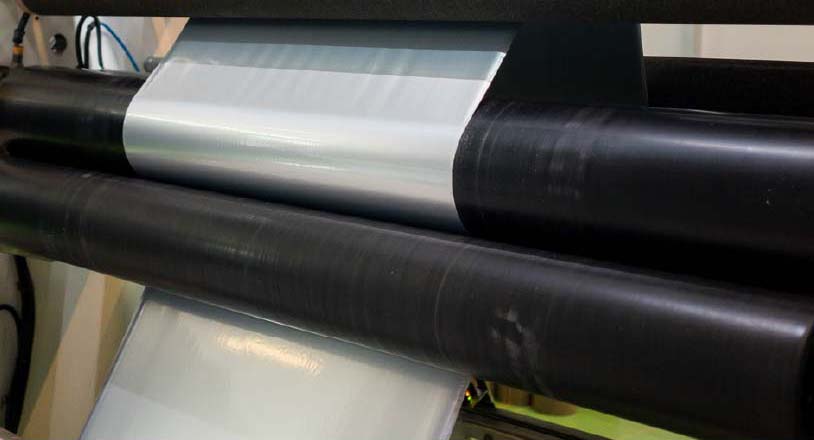
Biaxially oriented polyethylene (BOPE) films offer a versatile set of properties which supports their use in a number of flexible packaging applications. BOPE films are produced in a multistage process hat provides films with enhanced performance over that of traditional blown films.

Color
There are many pigmented solutions used in polymer masterbatches to change the appearance of thermoplastics. Pigments may be derived from inorganic or organic compounds. Learn what factors affect the appearance and performance of pigments and how to find the right solution for your application.
Compatibilizer
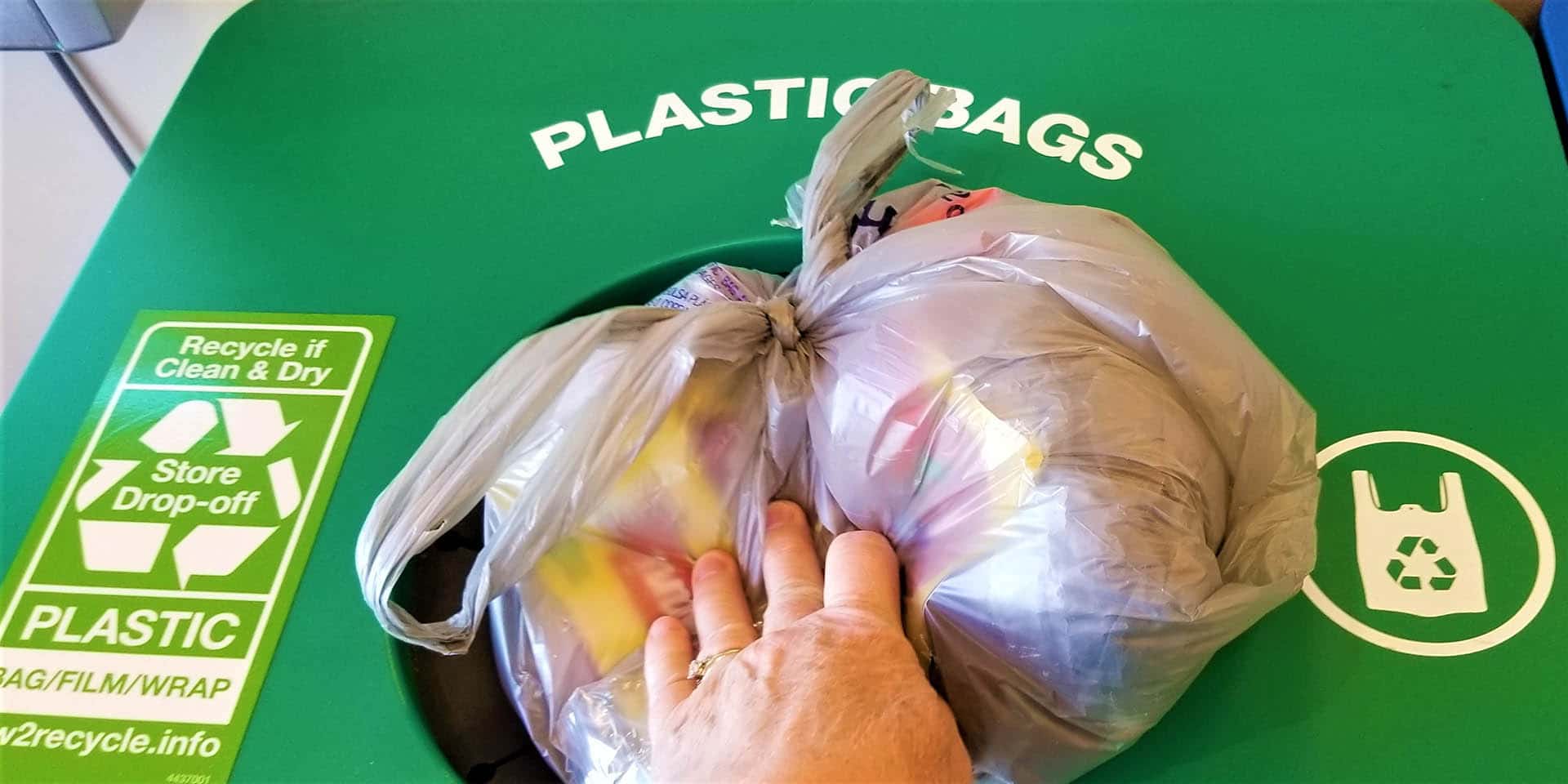
Compatibilizers allow immiscible polymers to be combined and processed as a single material. They are especially helpful as they allow for the recyclability of polyethylene based flexible packaging that contains barrier resins such as EVOH and Polyamide. Learn more about how compatibilizers work and how they can improve the performance of multi-material recyclate.
Polymer Processing Aids
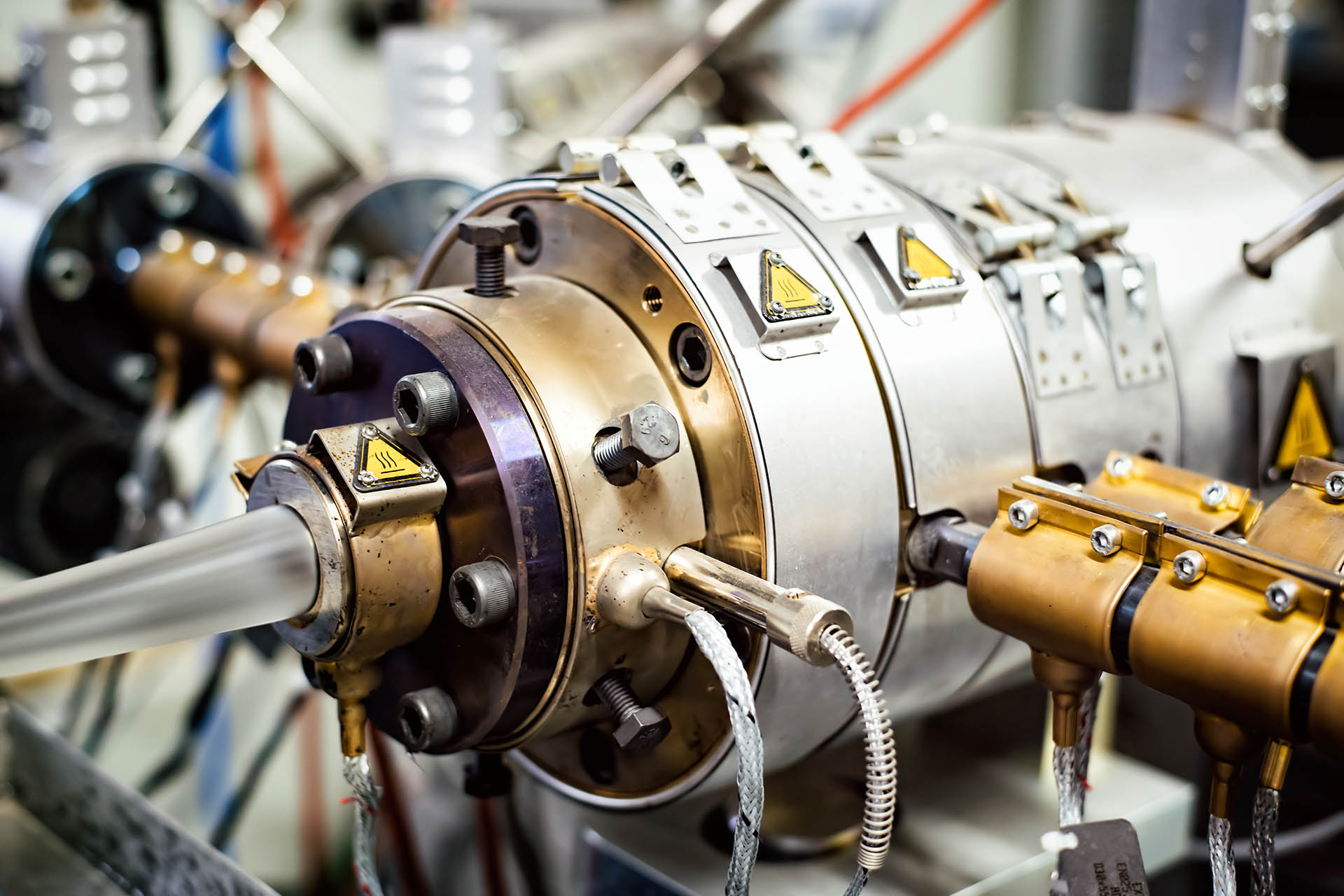
Polymer process aids (PPAs) are primarily used in the extrusion process to improve processability of polymers. They reduce die lip buildup, eliminate melt fracture in blown film, increase productivity and more. Learn more about PPAs today and how Non-PFAS PPAs can help you meet changing regulatory requirements.
Slip
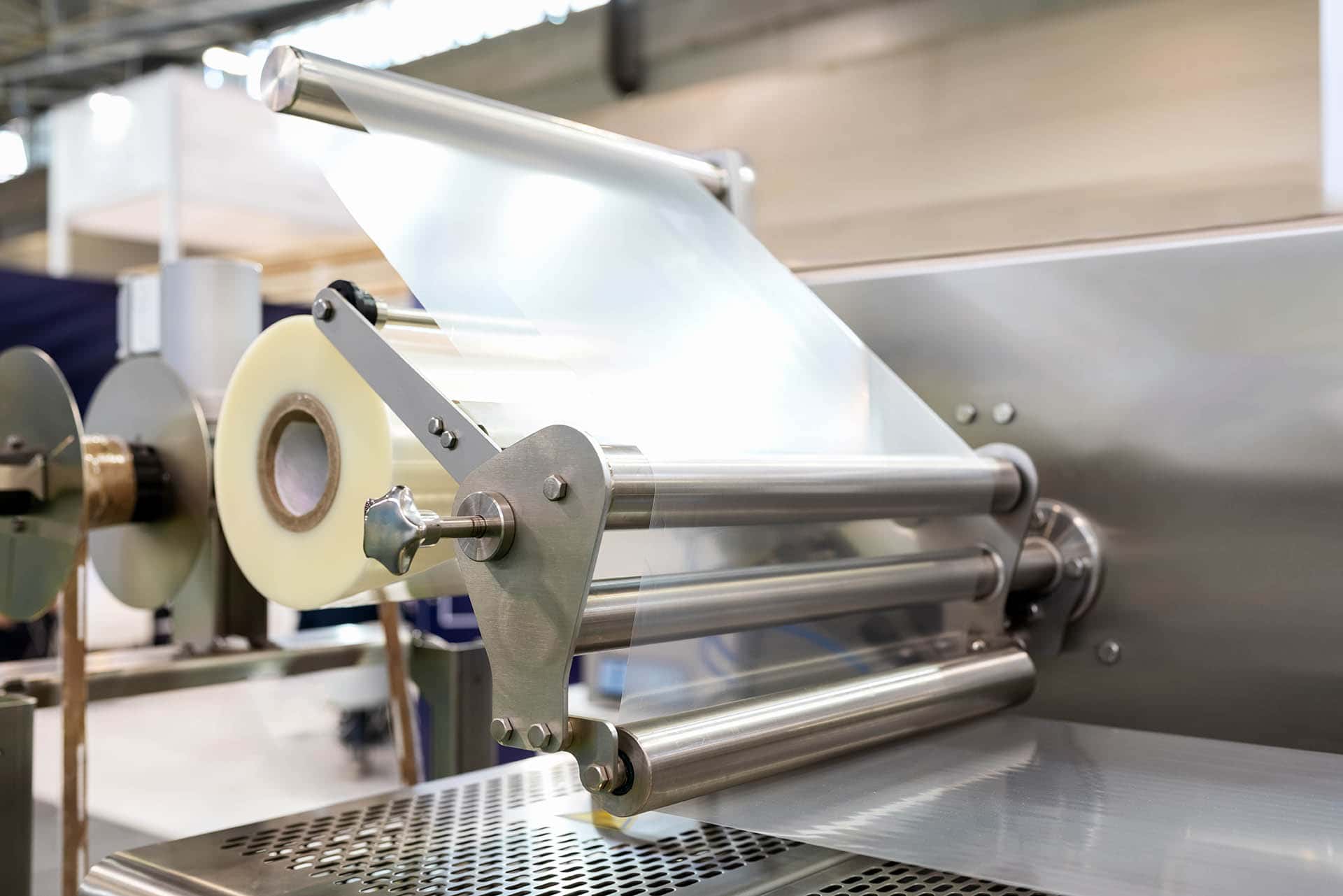
Films made from polyole¬fins exhibit a high Coefficient of Friction (CoF). This makes handling/conversion of the ¬films difficult due to the tackiness of the surface and the inability of the fi¬lms to slide over themselves and packaging equipment surfaces. Learn more about slip additives and how to use them effectively.
Crosslinked Polyethylene
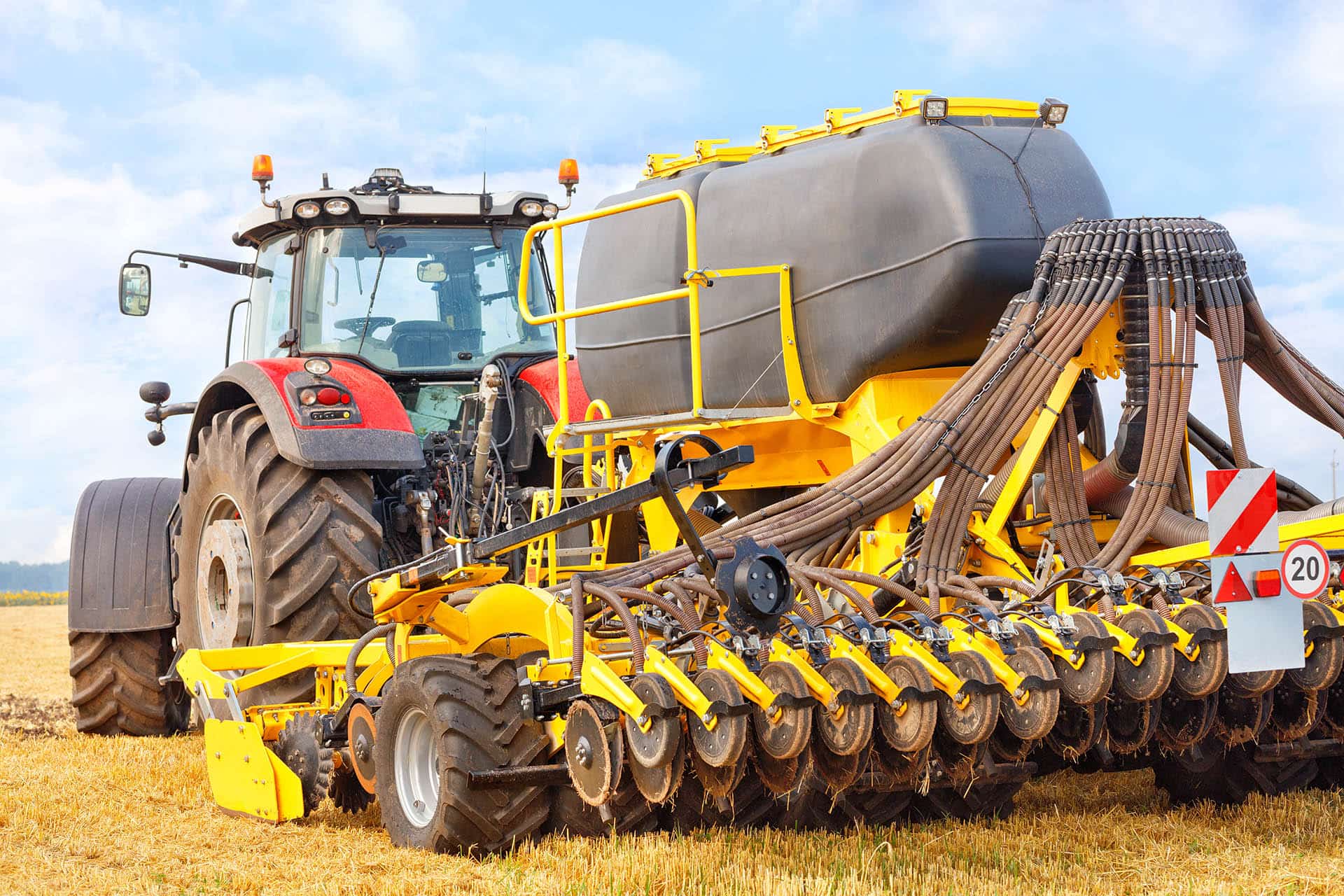
Crosslinked polyethylene is used in rotational molding to make products for marine, agricultural, energy storage and heavy-duty equipment parts. The crosslinking process transitions a thermoplastic to a thermoset, making high strength parts. Learn more about the chemistry of crosslinking and the benefits of crosslinked polyethylene over its linear counterpart.
UV
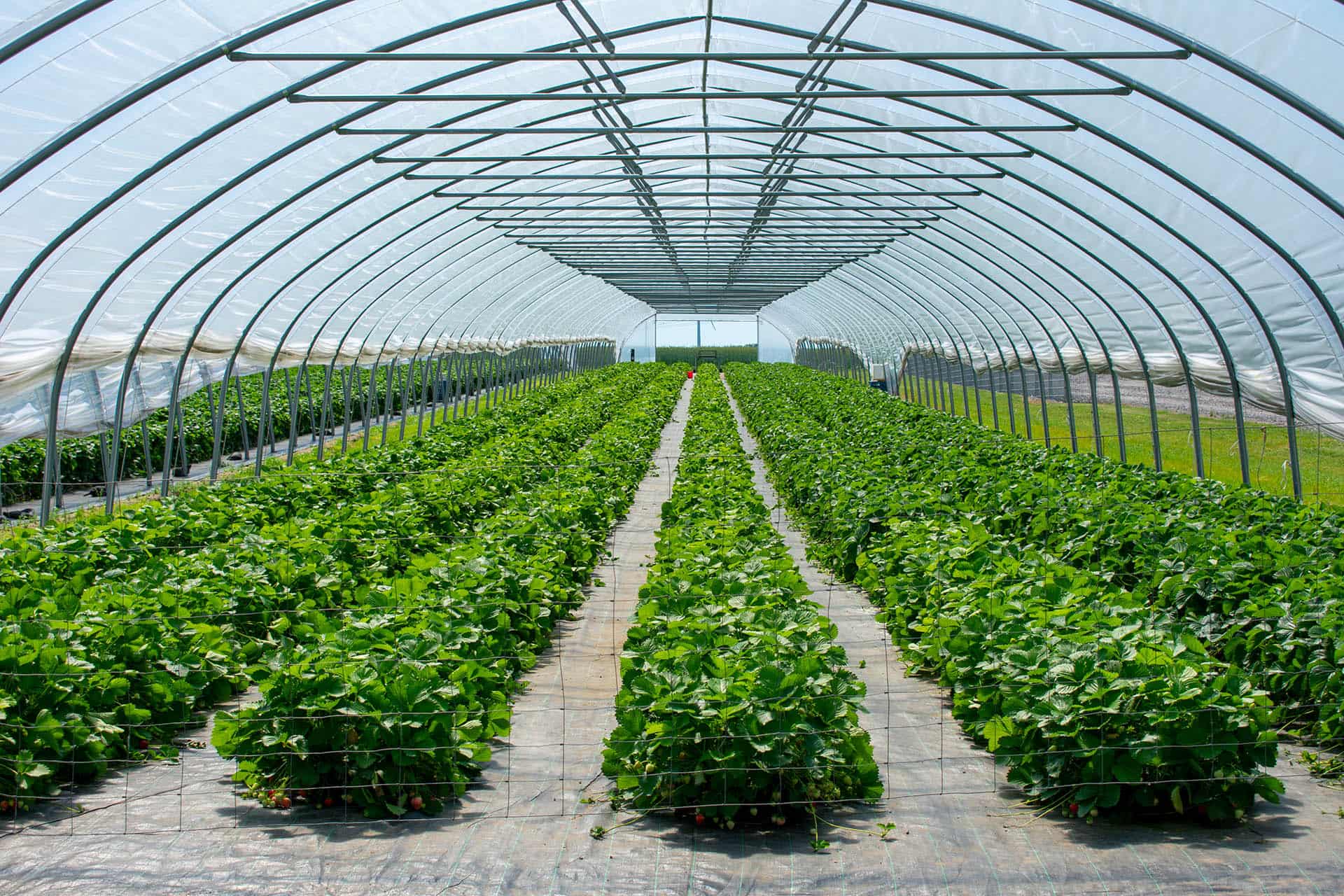
Exposure of sunlight on plastics for prolonged periods of time results in photodegradation, leading to a loss in physical properties as well as discoloration of the product. Light stabilizers are added to protect the polymer in outdoor applications. Learn more about the types of UV additives and how they improve the performance of products designed for outdoor applications.
Troubleshooting: Film Gels
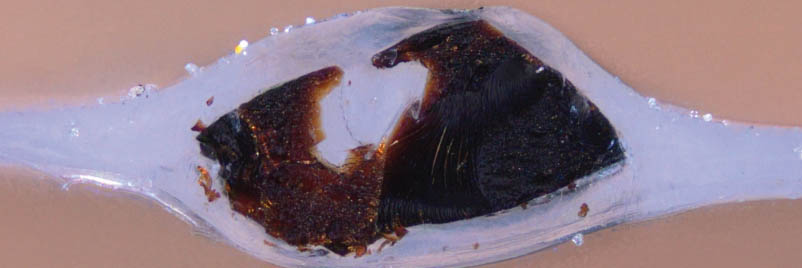
Film gels are localized defects in a film that can range in size from a few microns to millimeters. Gels can cause issues with printing and weaken films physical properties. Learn more about the formation of film gels and how to optimize your process to reduce the likelihood of film gels.